AI Is Reshaping the IT Job Market: How Professionals Can Stay Relevant
AI is changing team structures, entry-level opportunities, career expectations, and the skills professionals need to remain valuable.
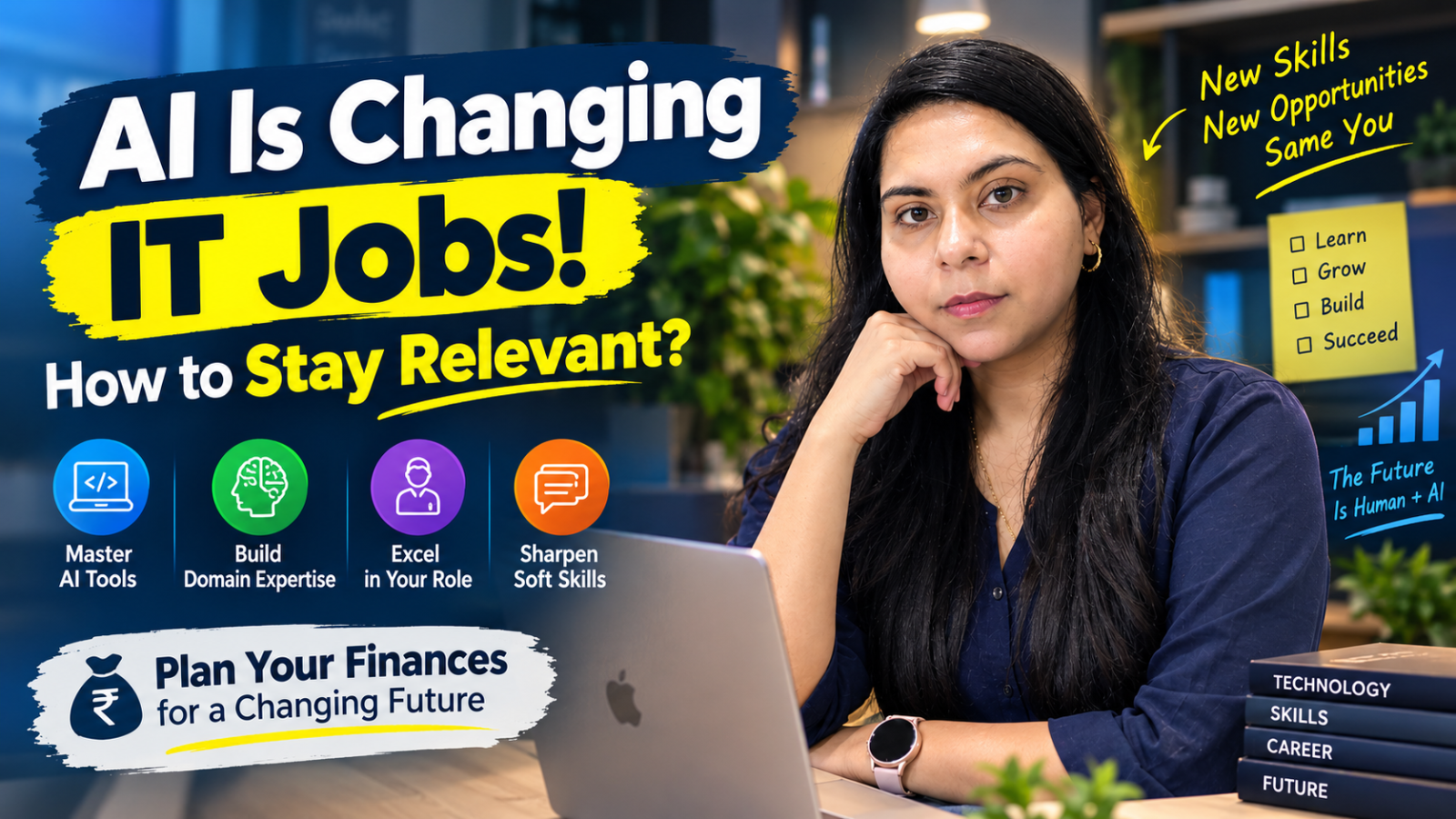
The IT industry is undergoing a seismic shift. Recent insights highlight how AI integration is fundamentally changing workforce requirements, moving us toward a “buyer’s market” where demand for human labor is shrinking while the supply of talent remains high.
This does not mean that technology careers are disappearing. It means the definition of a valuable technology professional is changing.
The AI Productivity Paradox
Organizations are now adopting an AI-first approach, which is drastically altering team structures.
For example, projects that previously required 30–35 people are now being completed by teams of just 8 through the use of AI tools.
🧑🏫✨ From the author · ByteClass live cohortAI Agents & Engineering 10 Weeks CohortFreeJoin the cohort →This productivity leap is impressive, but it creates a long-term challenge for job seekers: fewer entry-level roles may be created, making the search for new opportunities increasingly difficult and competitive.
The question is no longer simply:
“How do I get an IT job?”
It is increasingly becoming:
“How do I become valuable in an AI-driven workplace?”
AI may handle more tasks, but professionals who can combine technical expertise, domain knowledge, AI capabilities, judgment, and human skills can continue to create significant value.
How to Stay Relevant
In this environment, you cannot compete against AI; you must compete by becoming an indispensable human asset.
To stand out, focus on these four pillars:
1. Excel in Your Role
Whether you are a Project Manager, Tester, Support Agent, Developer, or Operations professional, strive to be world-class at your specific function.
Don't just complete assigned tasks. Understand the process, the business impact, the problems involved, and how your work can be improved.
2. Develop Domain Expertise
Combine your technical skills with deep knowledge of the industries you serve, such as banking, insurance, healthcare, or manufacturing.
Technical knowledge becomes more powerful when you understand the real business problems you are solving.
3. Master AI Tools
Embrace the AI tools your company uses rather than resisting them.
Instead of only asking:
“Will AI replace my job?”
Ask:
“How can I use AI to become better at my job?”
Learn the tools, understand their limitations, and find practical ways to integrate them into your workflow.
4. Sharpen Soft Skills
Communication, negotiation, collaboration, leadership, and the ability to influence others are qualities that remain highly valuable.
As AI takes over more routine work, the ability to communicate clearly, make decisions, influence stakeholders, and work effectively with people can become even more important.
Financial and Strategic Preparedness
With the traditional promise of guaranteed, high-percentage salary hikes fading, it is time to rethink your financial strategy as well.
Exercise Financial Caution
Avoid luxury purchases and major financial commitments based on speculative future income.
Plan around your current financial reality rather than assuming your salary will continue increasing at the same pace.
🛍️✨ From the author · ByteStoreResume Quick Review₹299View offer →Diversify
If both spouses are in the technology industry, consider diversifying career paths to reduce the household's exposure to the same industry risks.
Extend Your Emergency Fund
Aim for at least one year of savings, depending on your circumstances.
Job transitions may take longer than in the past, particularly when fewer positions are available and competition is higher.
A stronger emergency fund gives you more time and flexibility to find the right opportunity.
Future-Proofing the Next Generation
We also need to be intentional about how we guide the younger generation.
For years, Computer Science and IT have been considered safe career choices. But the landscape for entry-level roles could be very different by the time today's students enter the workforce.
Unless they have a clear aptitude, genuine interest, and willingness to grow in a particular field, don't force them into it just because everyone else is choosing it.
Instead, help them understand:
→ What they are naturally good at
→ What they genuinely enjoy learning
→ What problems they like solving
→ Where their interests and strengths overlap
→ Their willingness to continuously learn and adapt
The goal should not be to choose a career based only on today's job market.
It should be to prepare them for a world where the nature of work itself may continue to change.
The Bigger Career Lesson
AI is not simply changing the tools we use.
It is changing team sizes, hiring requirements, entry-level opportunities, skill expectations, salary growth assumptions, and even how we think about career security.
So don't prepare to compete with AI at what AI does best.
Learn to work with it.
Build expertise.
Understand your industry.
Master AI tools.
Strengthen your human skills.
Protect your finances.
And help the next generation make career choices based on aptitude and genuine interest.
The future may not belong to people who know the most tools.
It may belong to people who can combine technology + domain expertise + human judgment + adaptability to create meaningful value.
That is the kind of professional you should be building yourself into.
🛍️ Viveka Sharma's shelf
Courses, cohorts and more from the author
ABOUT ME: I’m an AI Engineer, Global AI Leader, and Technology, Career & Personal Branding Mentor, focused on Generative AI, Agentic AI, emerging technologies, and practical career growth. I mentor students and professionals on AI career transitions, practical projects, car
Visit my ByteStoreBuild Your Skills. Build Your Brand. Build Your CareerMore from Viveka Sharma
 Viveka SharmaFreelancer
Stop Waiting for Students. Start Building Your Community.
Build your own visibility, create value for learners, and grow a community where trainers and learners succeed together.
 Viveka SharmaFreelancer
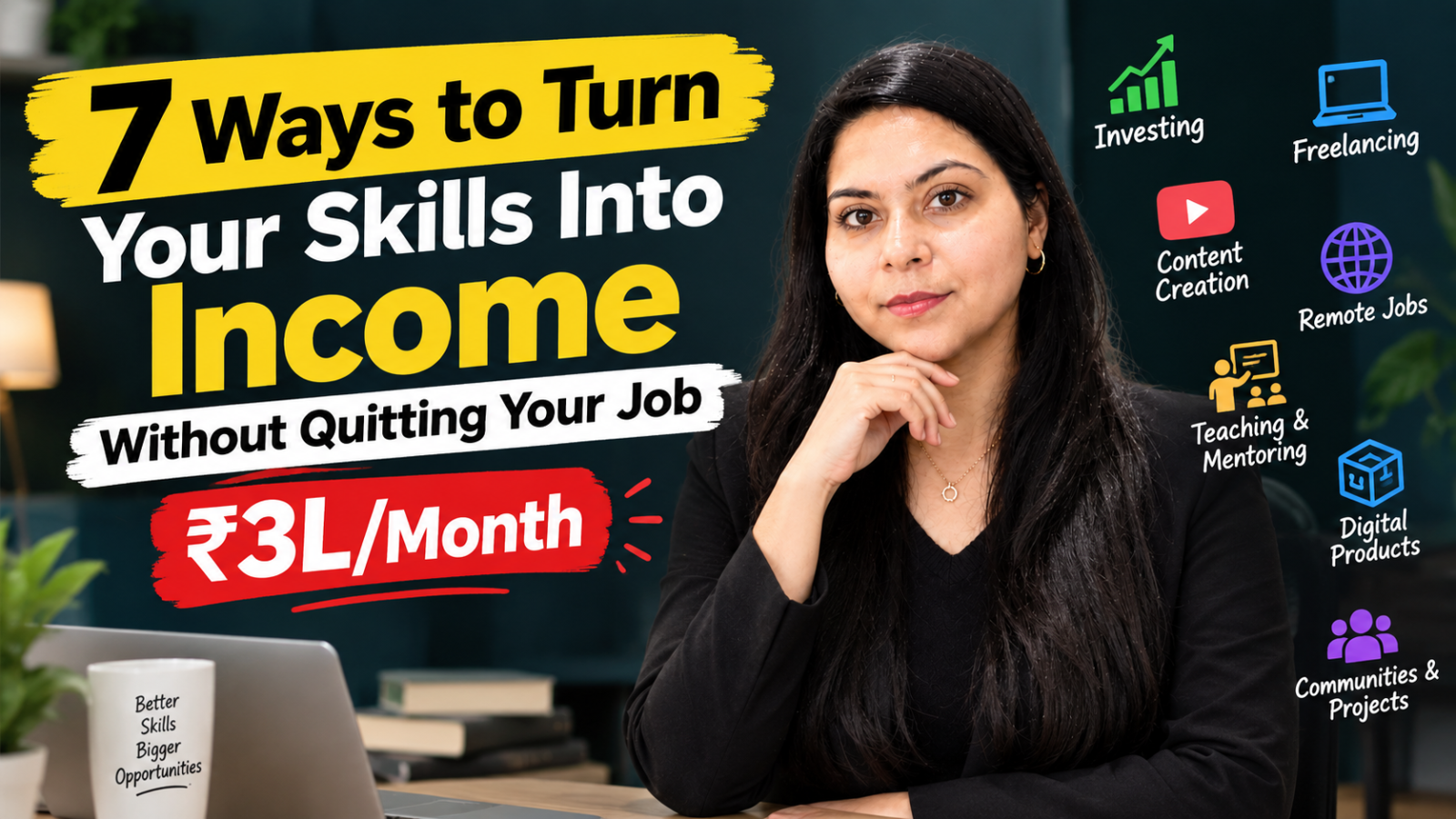
7 Ways to Turn Your Skills Into Income Without Quitting Your Job | ₹3L/Month
You don’t always need to quit your job to build an additional income stream. The idea is to create parallel income levers alongside your full-time career—using
 Viveka SharmaFreelancer
Stop chasing generic branding advice like "post consistently" and start building Authority.
Most people stay invisible for years because they lack a structure. If you want to move from being just another content creator to a recognized expert, you need
💬 Comments (0)
Top · NewestSign in to comment