Will AI Replace Coders? The IT Career Shift You Can't Ignore
From Repetitive Coding to AI-Powered Problem Solving: The Rise of Forward Deployed Engineers and the Future of IT Careers
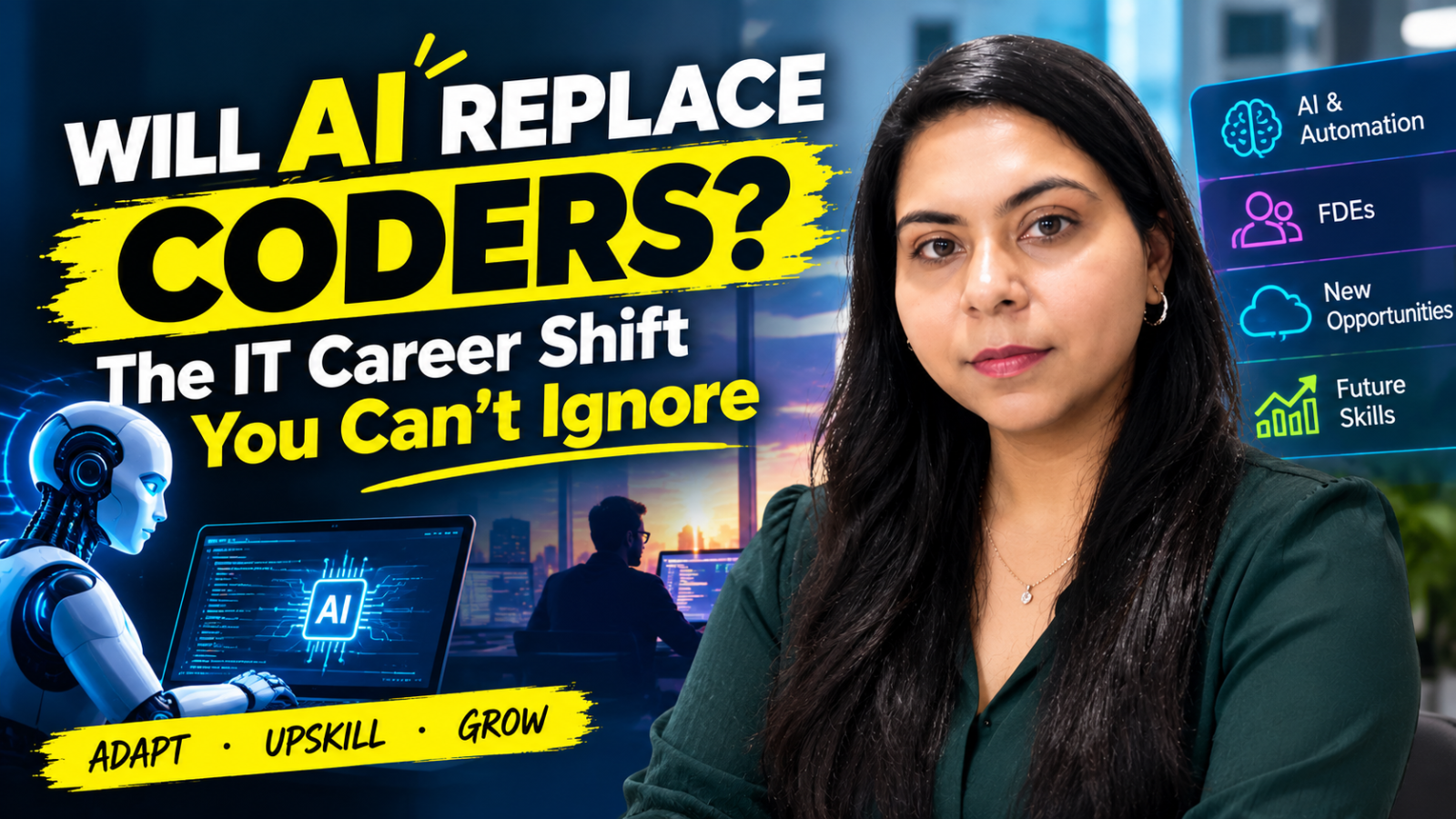
For decades, the Indian IT sector has served as the engine of global business operations. Built on a model of scale and labor arbitrage, industry giants like TCS, Infosys, and Wipro scaled by providing thousands of engineers to perform repetitive tasks such as software testing, maintenance, boilerplate coding, and documentation. However, a tectonic shift is currently underway. The era of the “digital mason”— someone who simply lays bricks according to a pre-defined blueprint—is coming to an end.
The Erosion of the Traditional Model
To understand this transition, one must examine how these IT companies have historically delivered value. The traditional operational model was based on labor-intensive scale. Companies hired large volumes of staff to handle high-frequency, low-ambiguity tasks. This "staff augmentation" operation functioned by supplying headcount to perform clearly defined, templated work.
This system is now facing a dual challenge from rapid advancements in Artificial Intelligence. Large Language Models (LLMs) and AI agents have become exceptionally capable of performing these repetitive, rules-based tasks faster and more accurately than humans. Because the manual labor that formed the bedrock of this business model is being automated, the supporting roles such as those responsible for managing and coordinating these large groups are no longer necessary for the same business output. This explains why we are witnessing a dual trend: record layoffs at the base of the workforce alongside an aggressive, targeted push to hire for a new, highly specialized role.
🧑🏫✨ From the author · ByteClass live cohortAI Agents & Engineering 10 Weeks CohortFreeJoin the cohort →Enter the 'Forward Deployed Engineer'
While traditional software roles are being squeezed, the demand for Forward Deployed Engineers (FDEs) is skyrocketing. Companies like Google, OpenAI, and Anthropic and now top Indian firms are offering compensation packages 6 to 7 times higher than standard developer roles for this position.
But what defines an FDE? The concept, popularized by firms like Palantir, effectively turns the traditional IT model on its head. Instead of working from a remote office to execute a pre-written 800-page requirement document, FDEs embed directly with the client. They sit in the same rooms as the end-users, observe their daily workflows, and iterate on software in real-time.
The FDE Impact: Example in Solar Energy
The Forward Deployed Engineer (FDE) model thrives in high-stakes, complex environments like a solar energy power station, where traditional remote IT support often falls short. Instead of working from a distant office based on static requirements, an FDE embeds directly within the energy company's operations to solve real-world, dynamic problems.
Deep Integration: FDEs work side-by-side with site operators, technicians, and grid managers. By experiencing daily bottlenecks such as sensor failures, fluctuating grid demand, or unexpected weather impacts they gain a first-hand understanding of the site's unique operational needs.
Complex Data Optimization: A modern solar farm generates massive, disparate data sets, including weather patterns, battery storage levels, inverter performance, and real-time grid requirements. An FDE builds custom tools to unify this data, enabling predictive maintenance and generation forecasting to maximize energy output.
Iterative Innovation: If a solar plant underperforms due to a specific environmental factor, an FDE does not simply write a generic script. They observe the specific constraint, program a solution that accounts for real-time sensor data, and validate it immediately with the on-site staff.
This approach transforms IT from a "cost center" that just maintains software into an intellectual partner that directly boosts efficiency.
Career Survival Guide for the AI Era
The IT industry isn't collapsing; it is evolving. To avoid becoming redundant, professionals at every career stage must adapt:
🛍️✨ From the author · ByteStoreCareer Growth & AI Masterclass₹999View offer →Graduates & Freshers: Stop treating your degree as your ultimate asset; it is merely an entry ticket. Focus on applied learning rather than just theoretical projects. Instead of building generic apps, pick an industry (like renewable energy, insurance, or logistics) and learn to solve their specific operational problems.
Entry & Mid-Level Engineers: The middle layer of the "pyramid," which focuses on administering labor, is at risk as manual tasks are automated. You must transition from being a "digital mason" who blindly follows a blueprint to a problem solver who understands the client’s domain.
Senior Engineers: Your value lies in architecting solutions and articulating complexity. As AI handles the "how," your role is to define the "what" and "why" by bridging the gap between human needs and technical implementation.
How to Start:
1. Develop Deep Domain Expertise: Pick one sector and master its operations. Whether it's optimizing claim settlements or improving solar farm efficiency, domain knowledge is what makes your code irreplaceable.
2. Master Communication: The future belongs to those who can articulate technical solutions to non-technical stakeholders. Coding is no longer enough; you must be able to understand the client’s business context and translate it into software.
3. Think with Your Mind, Not Your Time: Traditional IT companies sell time. You should focus on selling intellectual value. Shift from being a task-executor to a consultant who drives actual business outcomes.
The Bottom Line
The "doomsday" scenario only applies to those who cling to the old model of repetitive, manual labor. For those willing to learn, adapt, and step out from behind the screen to solve real-world problems, this shift represents the greatest opportunity of the decade.
🛍️ Viveka Sharma's shelf
Courses, cohorts and more from the author
ABOUT ME: I’m an AI Engineer, Global AI Leader, and Technology, Career & Personal Branding Mentor, focused on Generative AI, Agentic AI, emerging technologies, and practical career growth. I mentor students and professionals on AI career transitions, practical projects, car
Visit my ByteStoreBuild Your Skills. Build Your Brand. Build Your CareerNew🌟 See Viveka Sharma's full profile: blogs, work and verified certificates
Get Viveka Sharma's next blog by email
One email a week when they publish. Add the weekly Best of ByteBlog too. No spam, unsubscribe with one click.
We email you once to confirm. By subscribing you agree to the privacy policy.
More from Viveka Sharma
 Viveka SharmaFreelancer
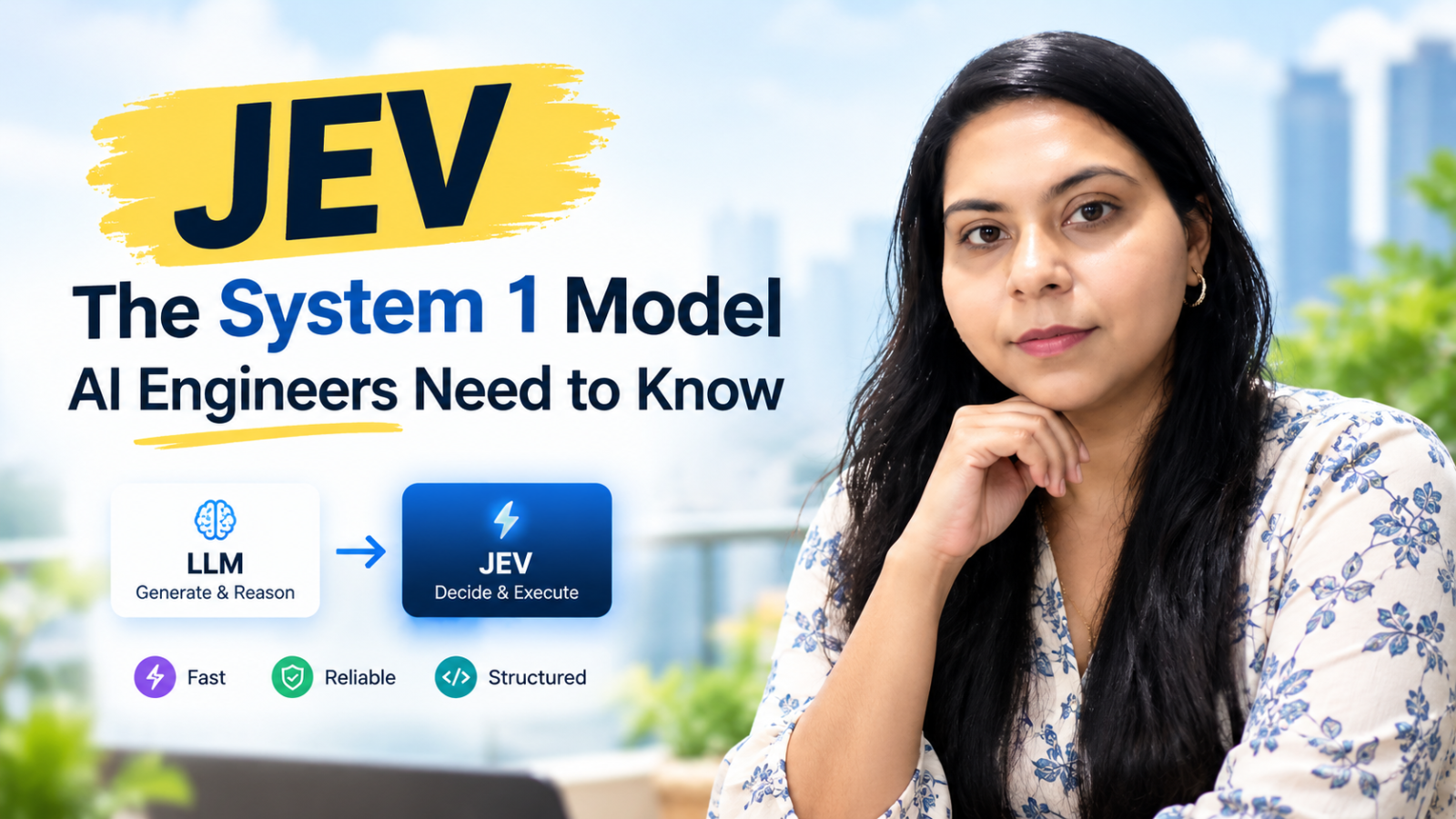
JEV: The System 1 Model AI Engineers Need to Know
From Generative AI to High-Speed, Automated Decision-Making: Why JEV Matters for AI Engineers
 Viveka SharmaFreelancer
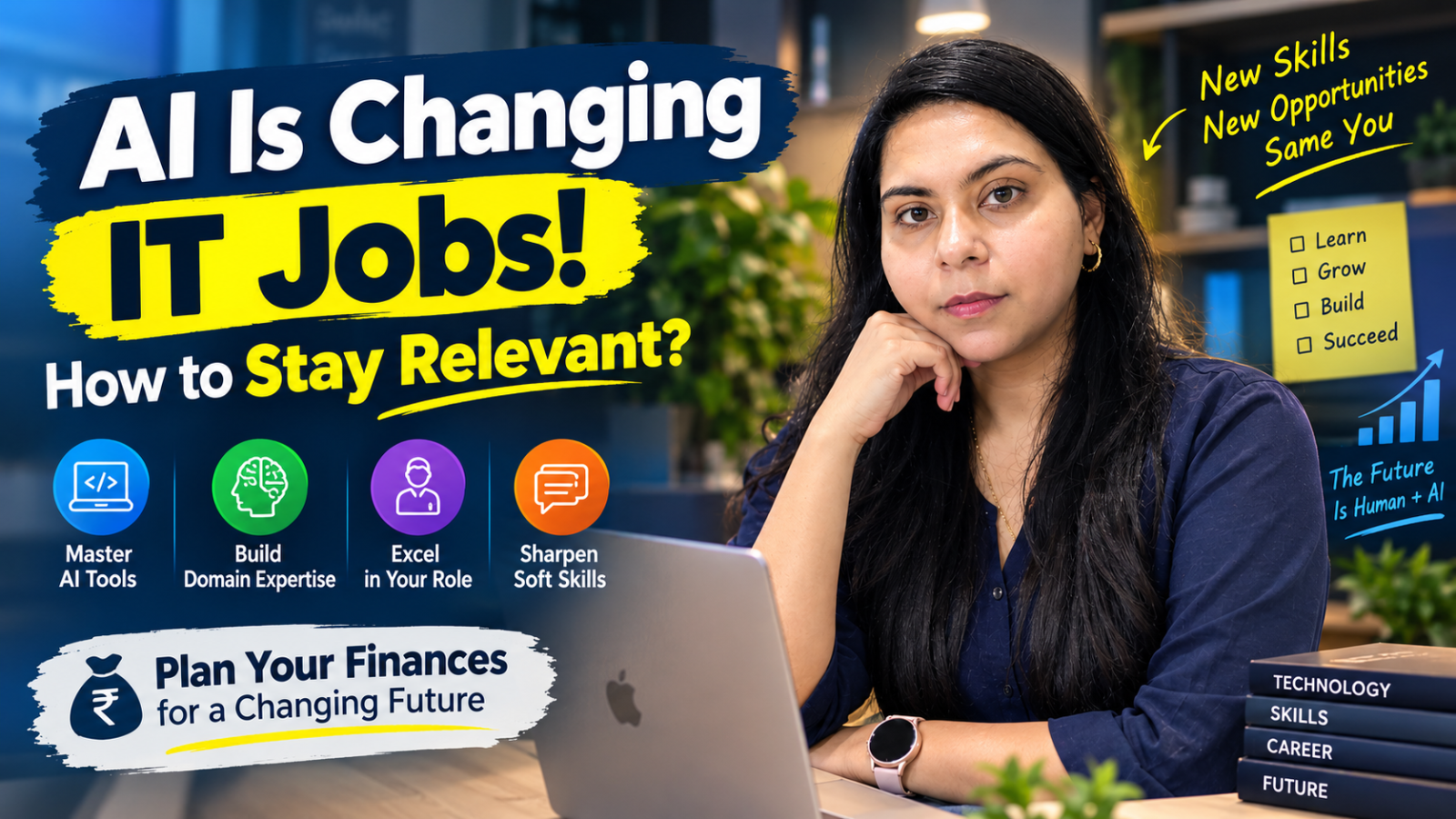
AI Is Reshaping the IT Job Market: How Professionals Can Stay Relevant
AI is changing team structures, entry-level opportunities, career expectations, and the skills professionals need to remain valuable.
 Viveka SharmaFreelancer
Stop Waiting for Students. Start Building Your Community.
Build your own visibility, create value for learners, and grow a community where trainers and learners succeed together.
 Viveka SharmaFreelancer
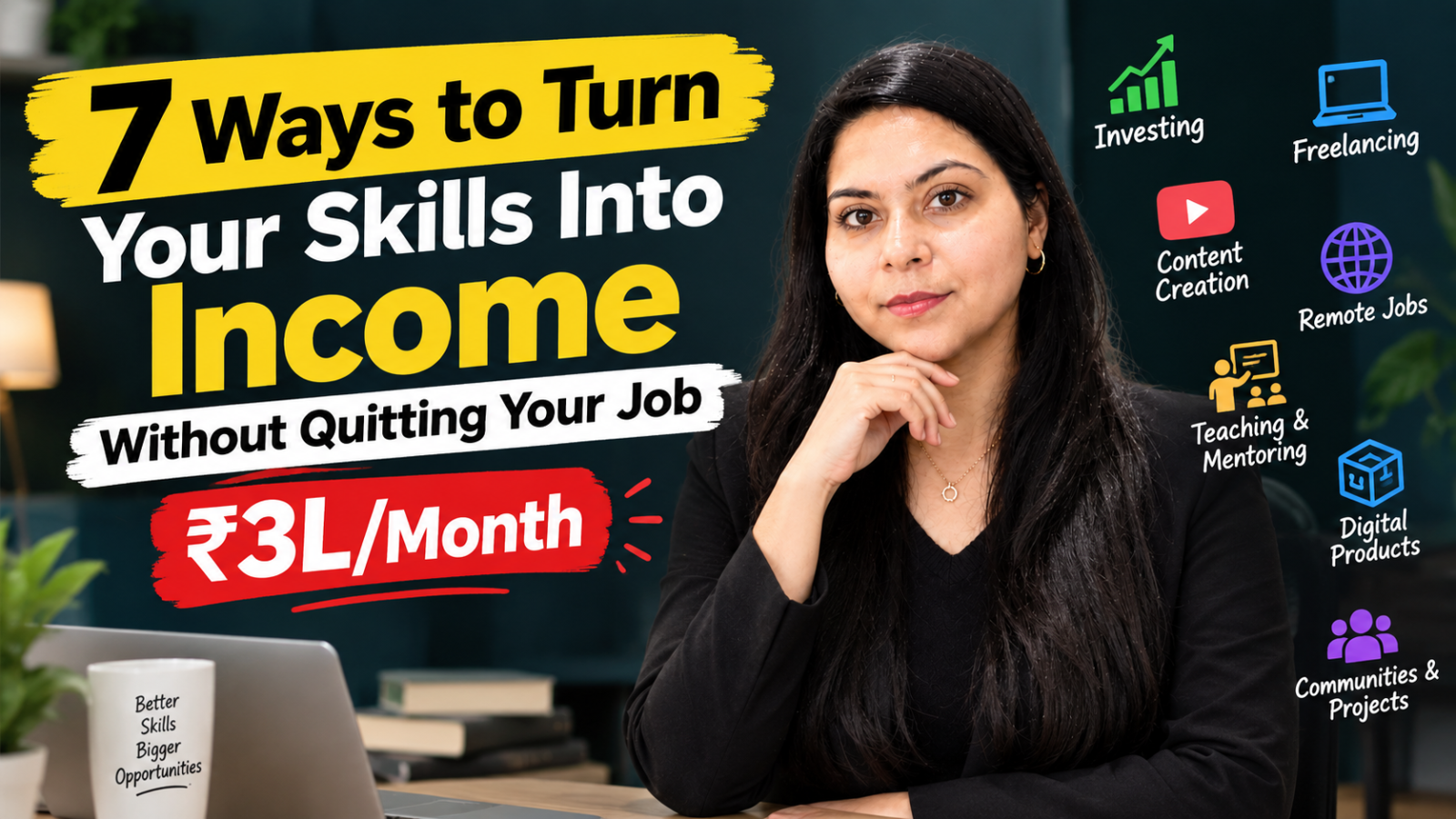
7 Ways to Turn Your Skills Into Income Without Quitting Your Job | ₹3L/Month
You don’t always need to quit your job to build an additional income stream. The idea is to create parallel income levers alongside your full-time career—using
💬 Comments (0)
Top · NewestSign in to comment